BeamNG project
Škoda 1203 / TAZ 1500
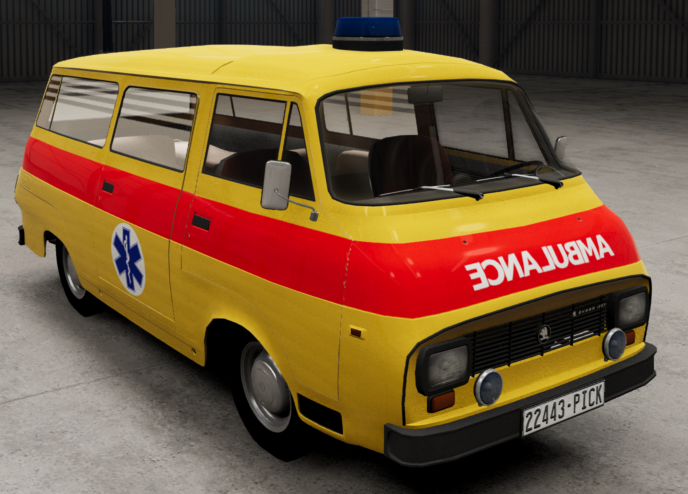
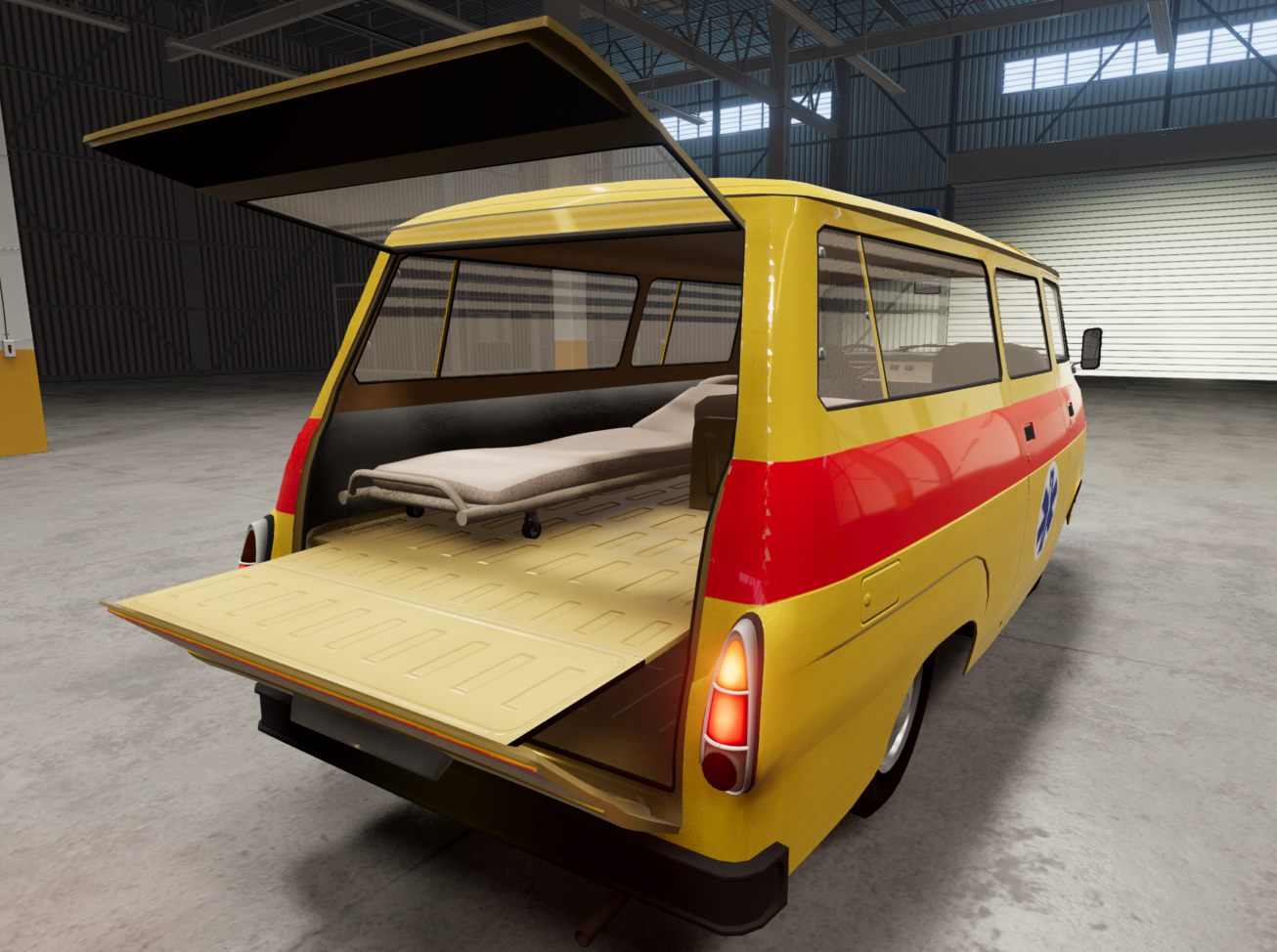
A classic Czechoslovak van with ambulance, police, fire, flatbed, cargo, and passenger variants.
Released v2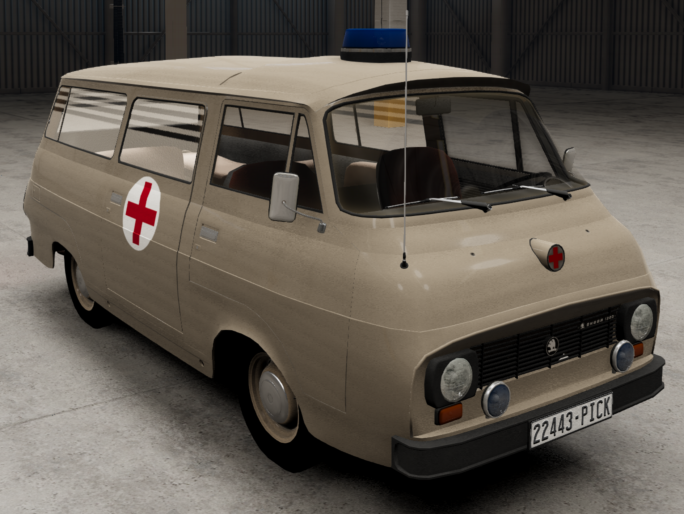
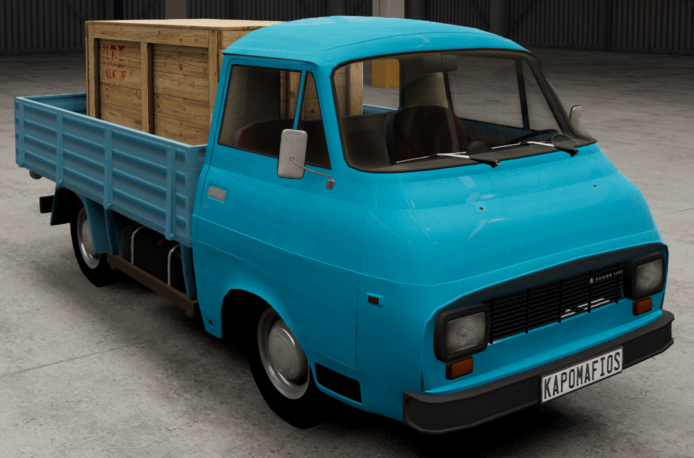
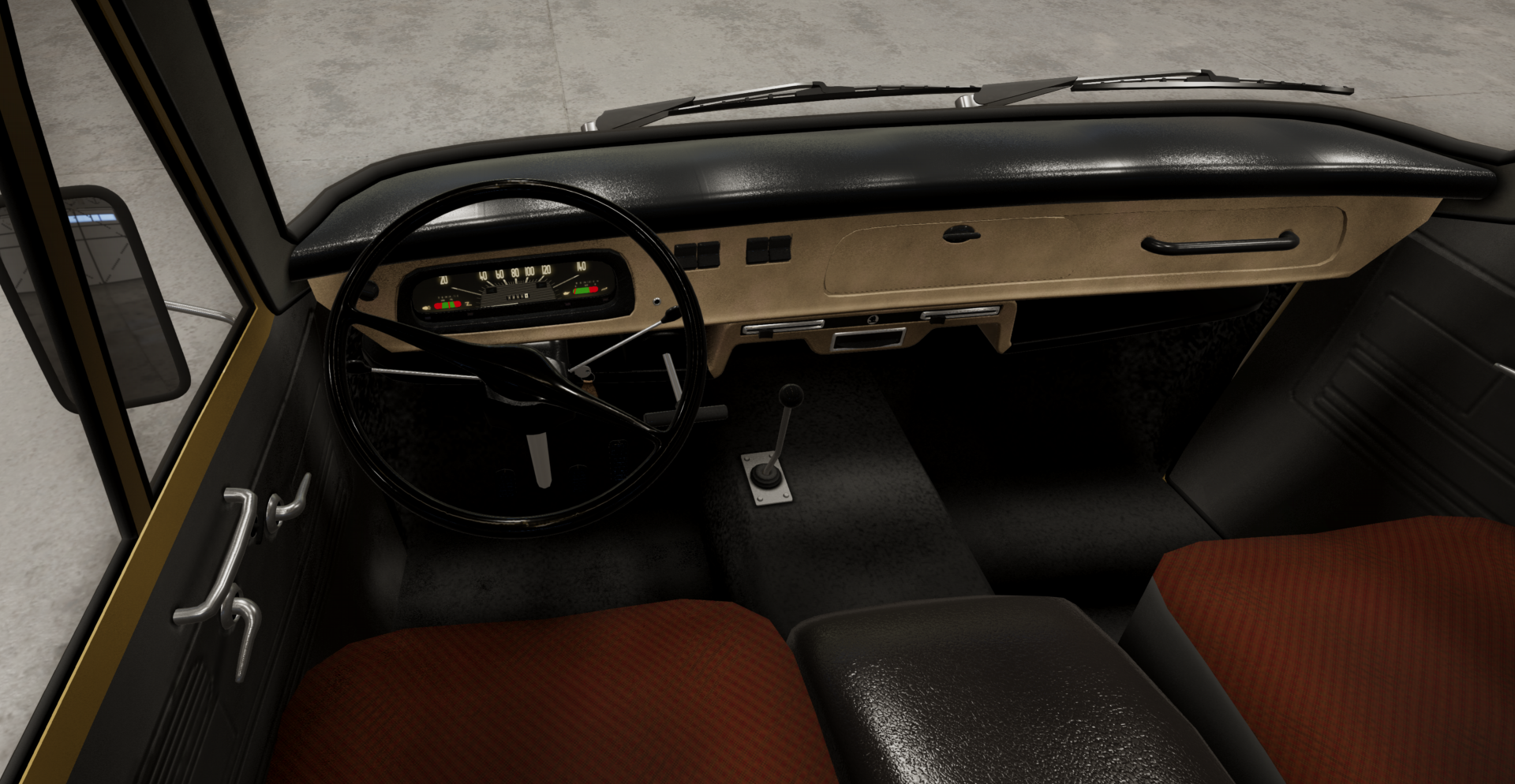
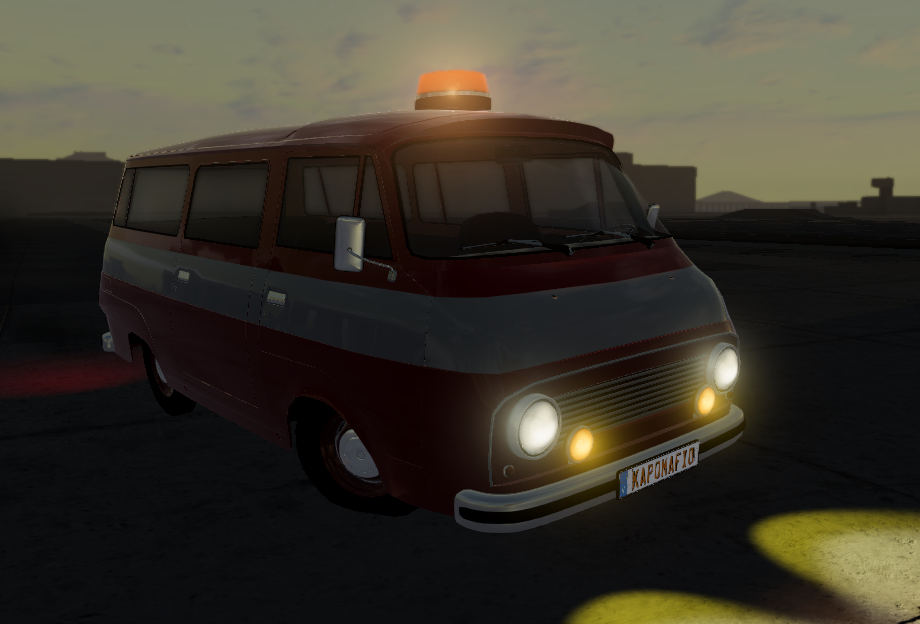
About the car
The Škoda 1203 is a gaspy, overworked Czechoslovak icon from the 1960s. Powered by a hilariously undersized 1.2L inline-4 OHV engine, it boasted a blistering top speed of around 60 mph — on a good day, downhill, with a tailwind. Despite this modest performance, it was somehow deployed for every imaginable use: ambulances, police vans, fire trucks, hearses, postal vans, flatbeds — you name it.
Built as a unibody with rear-wheel drive, the 1203 earned its reputation as a tough but hilariously underpowered workhorse. Owners quickly learned that carrying a full set of tools was a must on a longer trip. Shifting gears required a special mixture of optimism and brute force, and driving one empty was said to be a near-death experience due to its “creative” handling.
Despite constant complaints about the engine overheating, transmission acting like a roulette wheel, and handling that could terrify even the bravest firefighter, the Škoda 1203 refused to die. It soldiered on for over 30 years with only minor updates, earning it cult status and a grudging kind of love.
Later models like the TAZ 1500 gave it a little more grunt with a 1.4L engine, sliding doors, plastic bumpers, and even a few Volkswagen diesel swaps — but the soul of the 1203 was always that grumpy little 1.2L clattering along, hauling its weight and more with sheer willpower.
About the mod
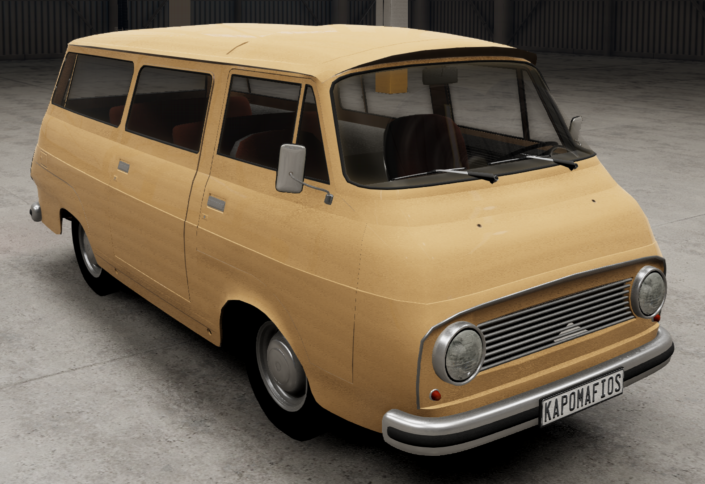
I started working on this mod shortly after the lockdowns began in 2020. It was my very first mod, so despite trying to be careful, the model ended up with less-than-perfect polyflow, and the textures were a bit of a mess: mostly flat-colored materials slapped onto a poorly UV-unwrapped mesh. The initial in-game version had issues too, especially the jbeam, which was prone to spiking during crashes. Still, it gained some solid traction. A few YouTubers featured it, there were nearly 30 pages of discussion on the BeamNG forums, and it picked up a bunch of positive comments along the way.
Then sometime around 2022, I decided it was time for a full makeover. BeamNG had evolved quite a bit in the meantime, especially in terms of jbeam and the new physically based rendering system. The old materials were completely outdated, so I gave the car a proper UV map, cleaner detailed liveries, a refreshed interior, and several new variants.
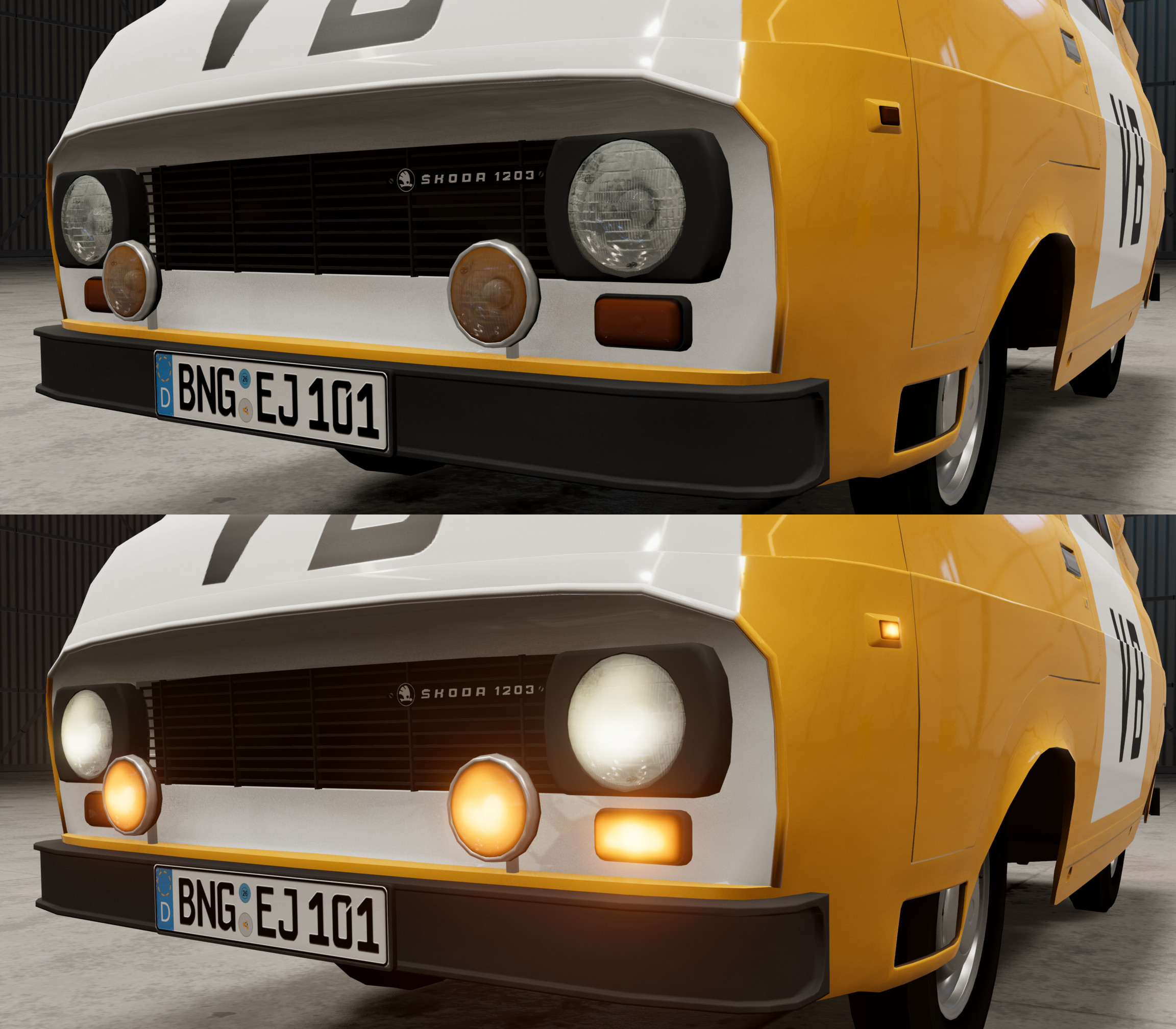
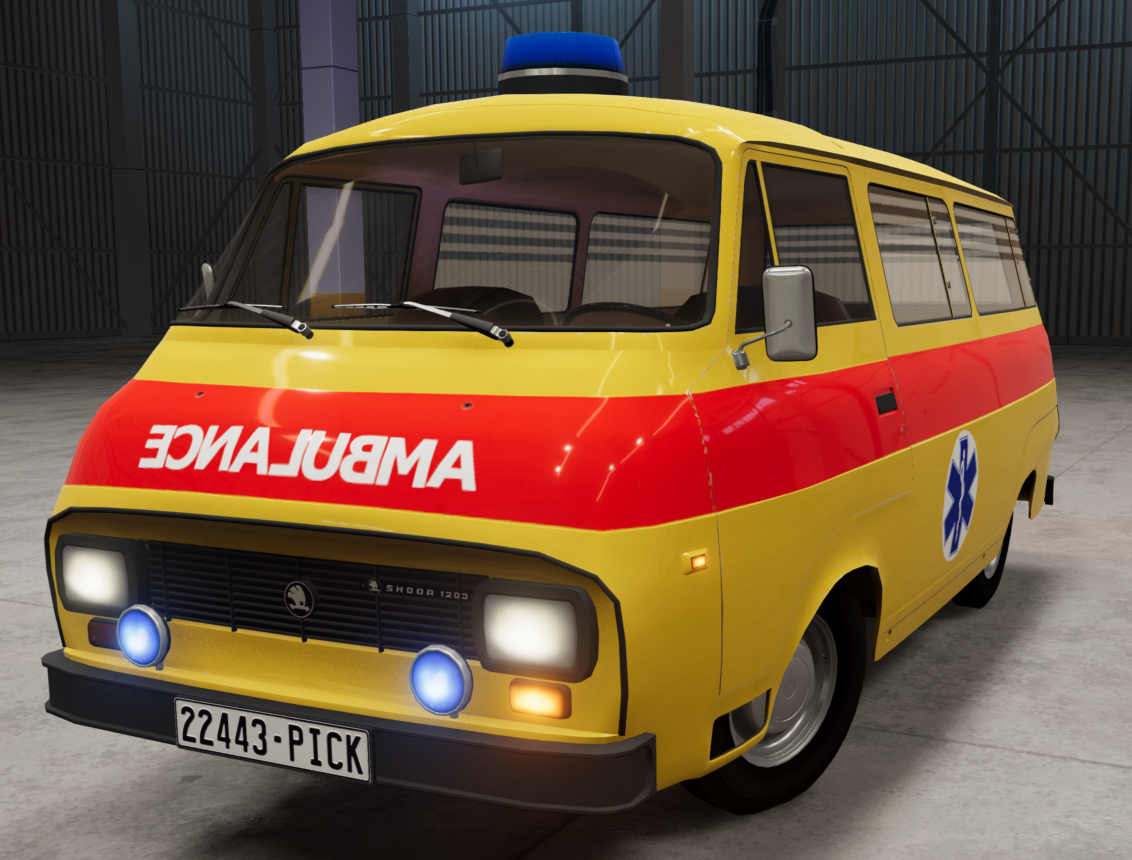
One of the features I’m most proud of is how the headlights and taillights turned out, especially the glowmaps. Some vanilla vehicles have very bland headlight textures; details like this really matter. When the lights look right, the car feels more alive.
I also added fun little touches, like a key in the ignition with a keychain that dangles around when the car moves. The steering wheel is slightly offset from its axis of rotation, so it weaves a bit when you turn it. It looks goofy, but it fits the real car’s slightly janky vibe.
Special features
More realistic signal cancelling
One of the subtler but satisfying features is proper turn signal self-canceling. In vanilla BeamNG, the indicator only turns off when you rotate the wheel back through the exact center position. Real cars usually have little internal cams that set trigger points when you turn the wheel.
To replicate this, I wrote a custom Lua script that tracks the maximum steering angle reached while the indicator is on, then uses that angle as a reference for canceling. I also added subtle ticking sounds when you pass one of these commitment angles, giving a small audio cue that the signal will cancel when you return past that point.
Another quirky touch is what I call the engine performance crippler. In real life, this car would buck and struggle if you tried to accelerate in too high a gear at too low an RPM. BeamNG’s default behavior does not really capture that, so I wrote a script to pulse the throttle below a gear-specific RPM threshold. It is subtle, but it makes the driving feel more authentically janky.